Nature & Forest Wellbeing
Exploring the relationship between nature, health and wellbeing.
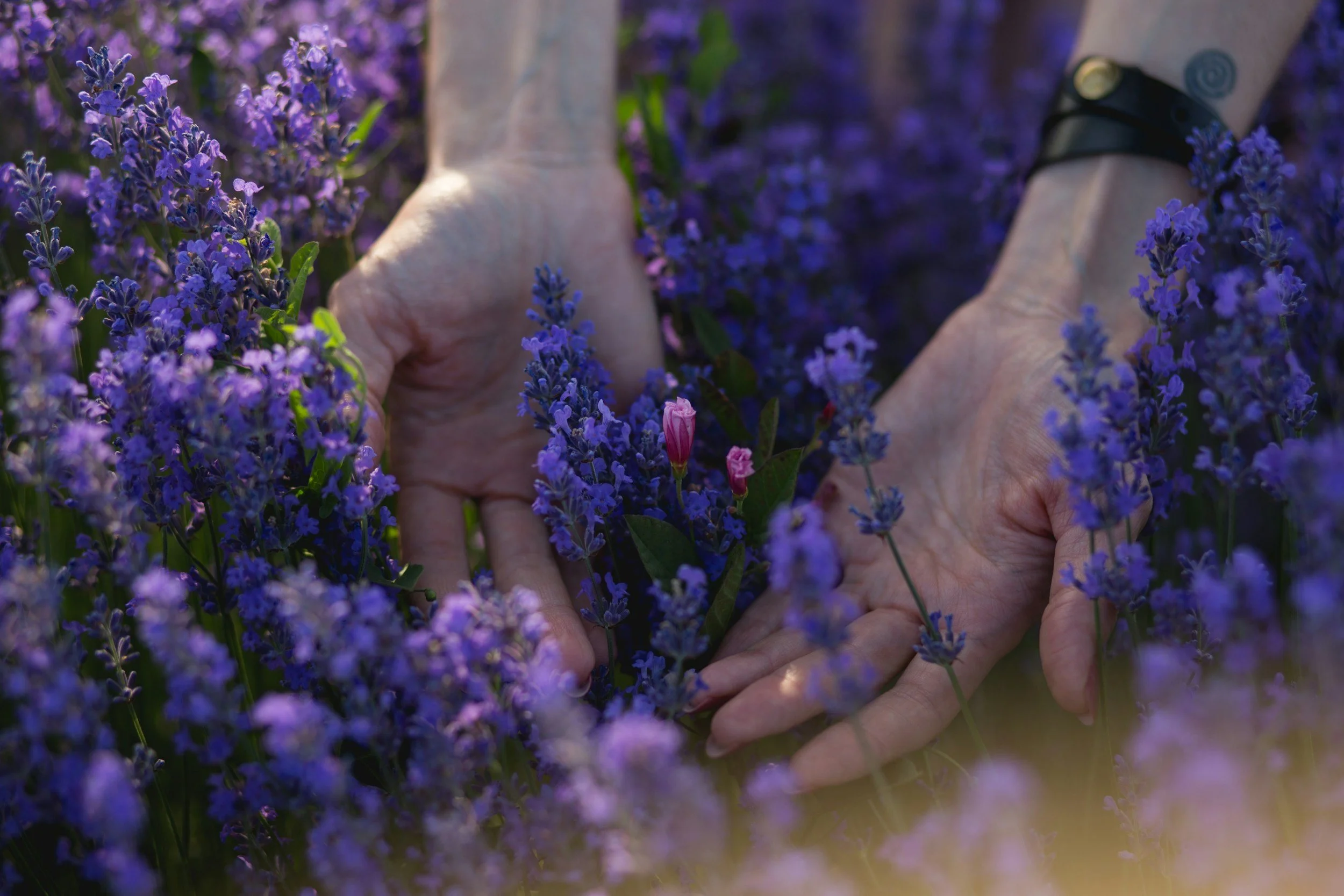
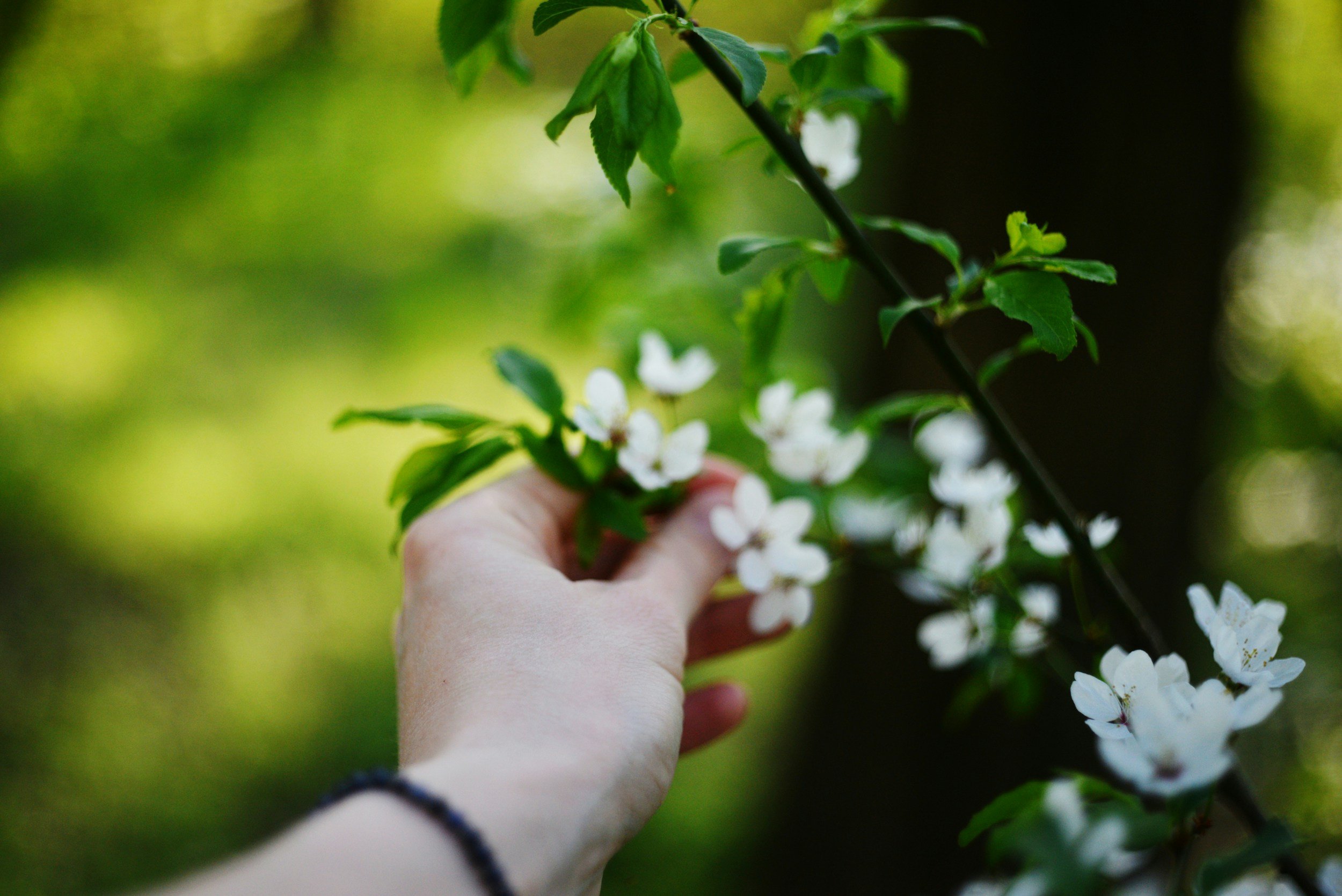
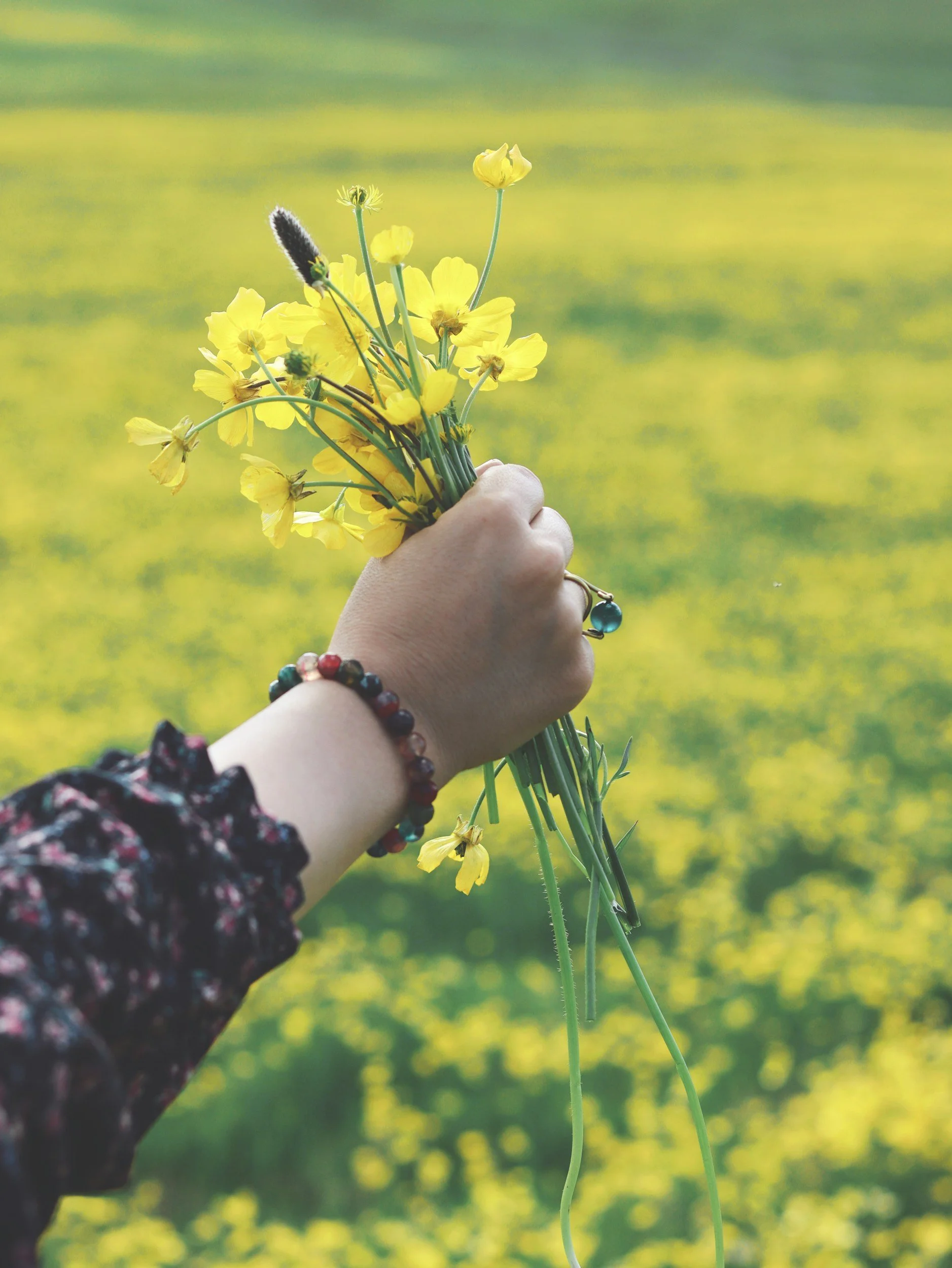
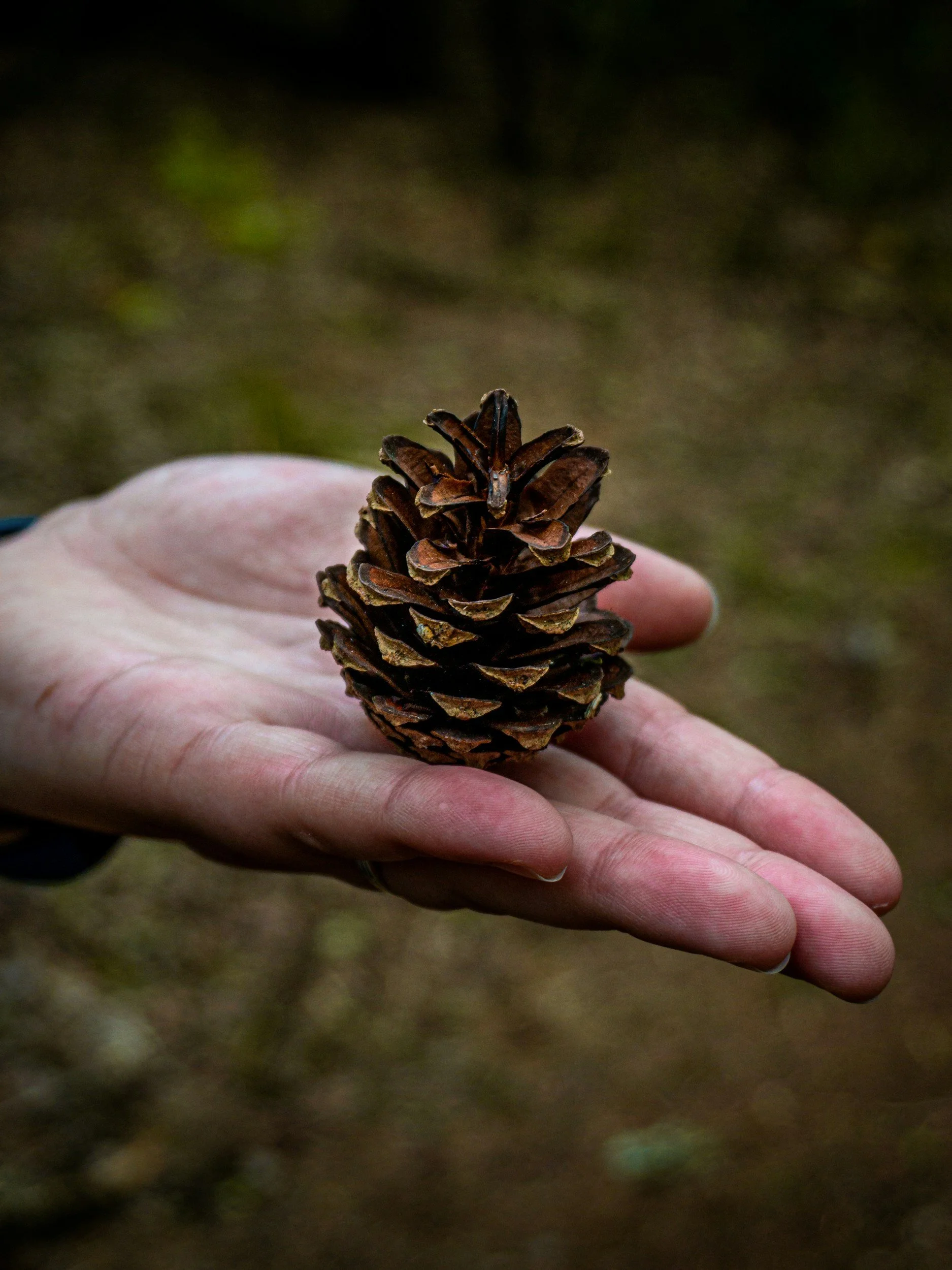
Spending time in nature can provide opportunities to slow down, reconnect and engage with the world around us. Research into forest bathing, forest therapy and Shinrin-yoku has explored their potential effects on psychological wellbeing, stress, physical health, mood and connection with nature.
Explore research into the ways nature and forest-based experiences may support physical, emotional and psychological wellbeing.
It all begins with an idea. Maybe you want to launch a business. Maybe you want to turn a hobby into something more.
“Forest Therapy is a public health practice that involves mindful immersion in nature, using all five senses.”
It all begins with an idea. Maybe you want to launch a business. Maybe you want to turn a hobby into something more.
“Forest Therapy is a public health practice that involves mindful immersion in nature, using all five senses.”
It all begins with an idea. Maybe you want to launch a business. Maybe you want to turn a hobby into something more.
“Forest Therapy is a public health practice that involves mindful immersion in nature, using all five senses.”
It all begins with an idea. Maybe you want to launch a business. Maybe you want to turn a hobby into something more.
Effects of Nature on Health & Wellbeing
Bringing generations together through shared experiences, connection and learning.
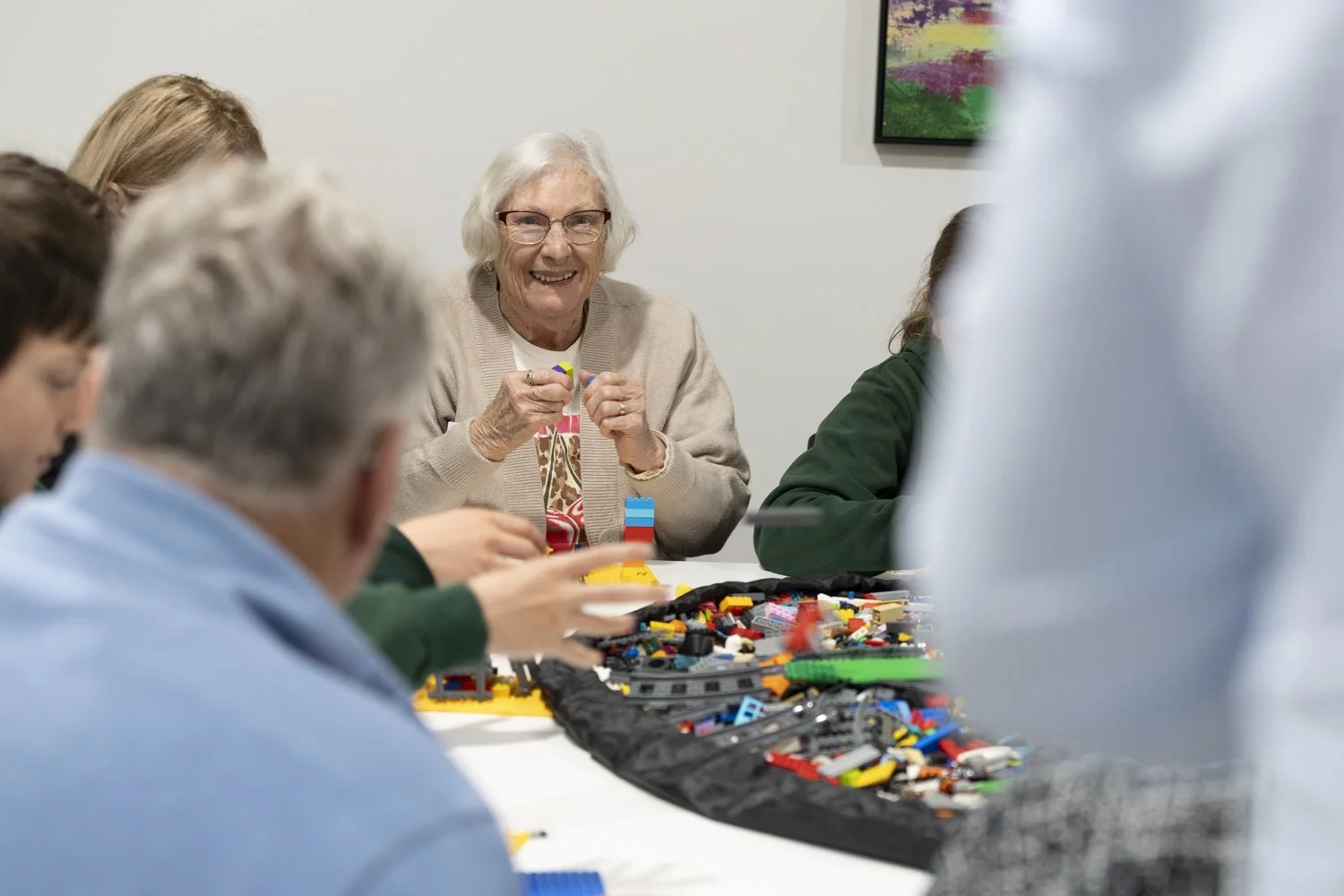
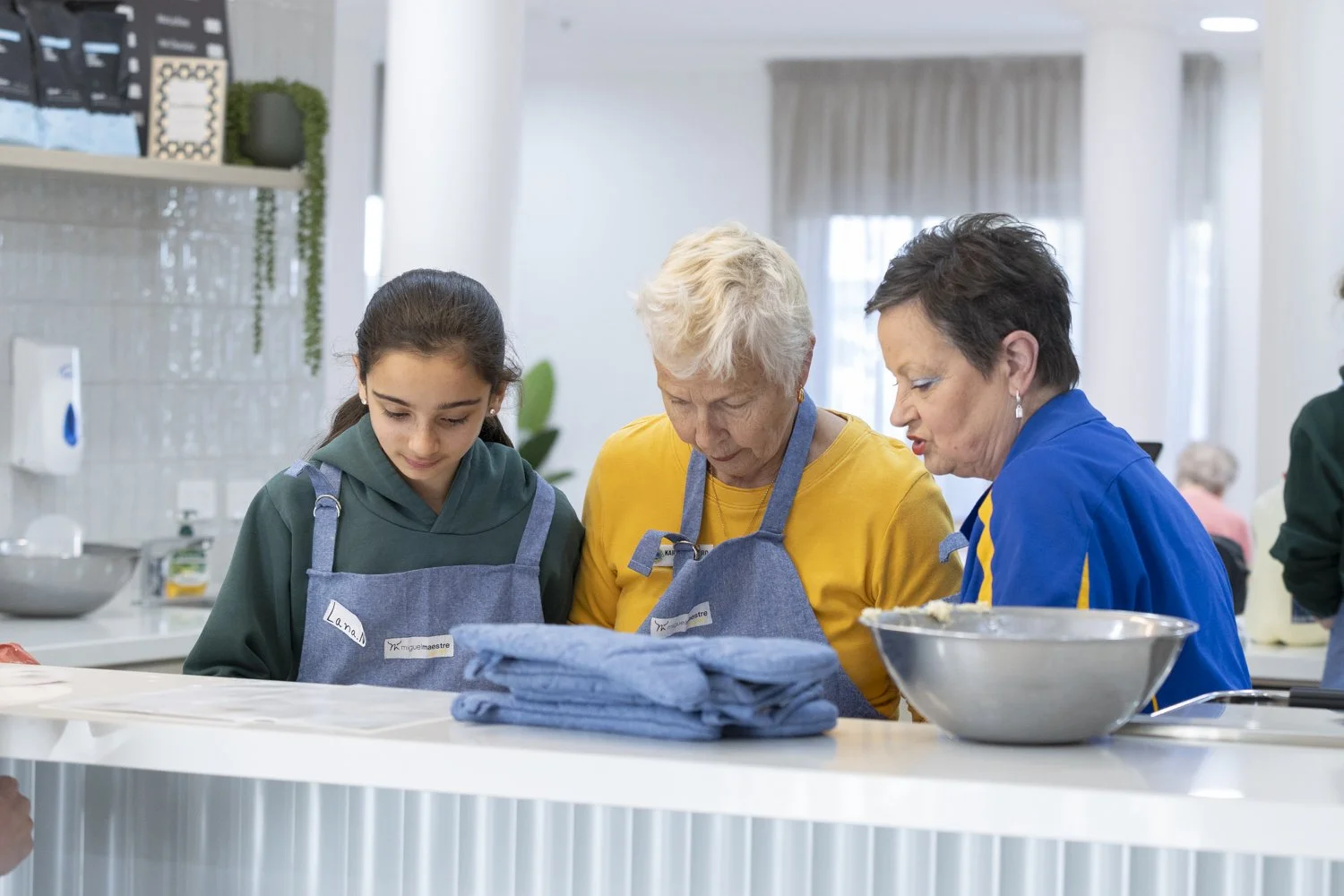
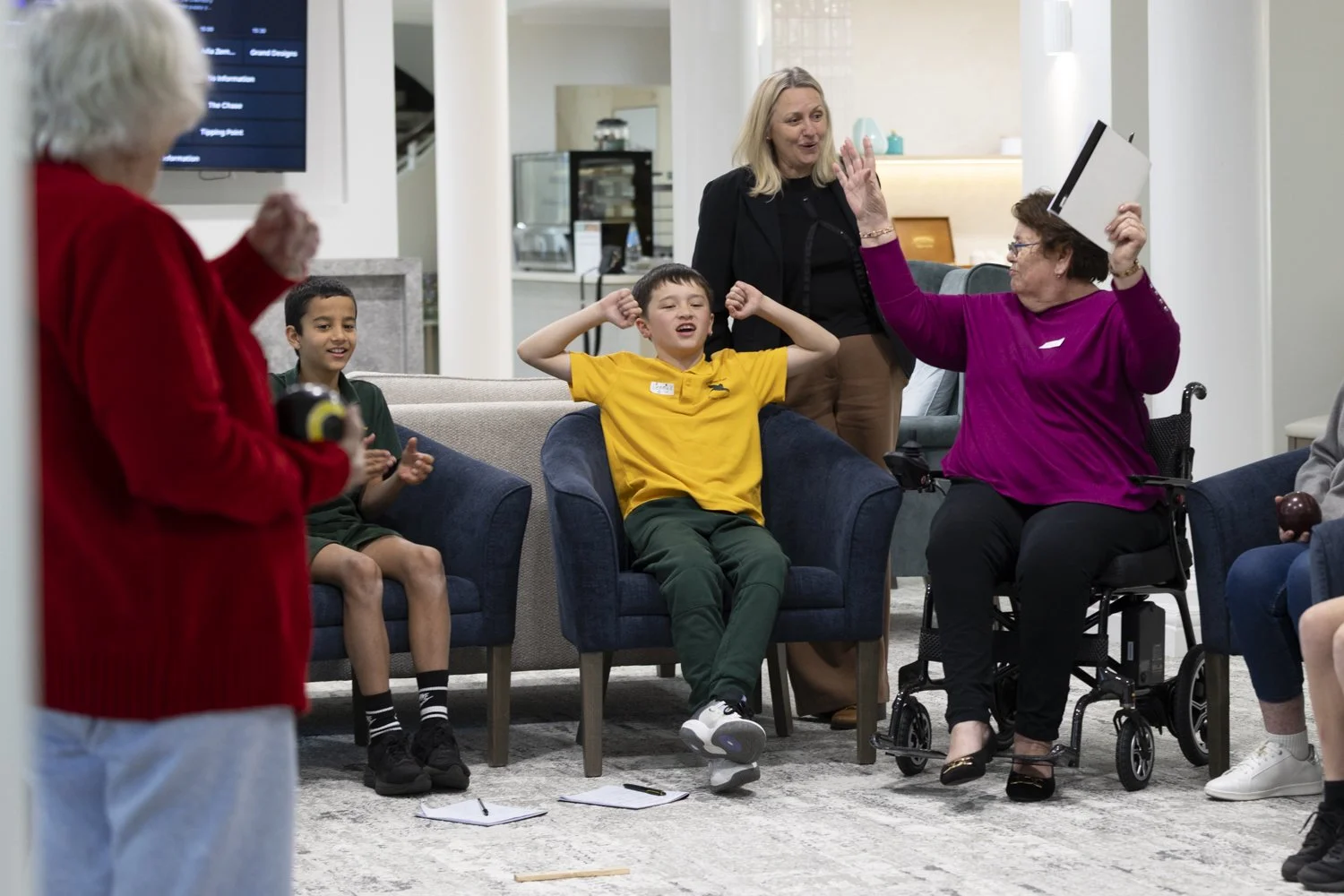
Intergenerational experiences bring children, older adults and people of different generations together through shared activities, learning and connection. Research suggests that these experiences can support social, emotional and educational wellbeing, while helping to build positive relationships and understanding between generations.
Explore research into the benefits of bringing generations together, including intergenerational programs in schools, early childhood settings and the wider community.
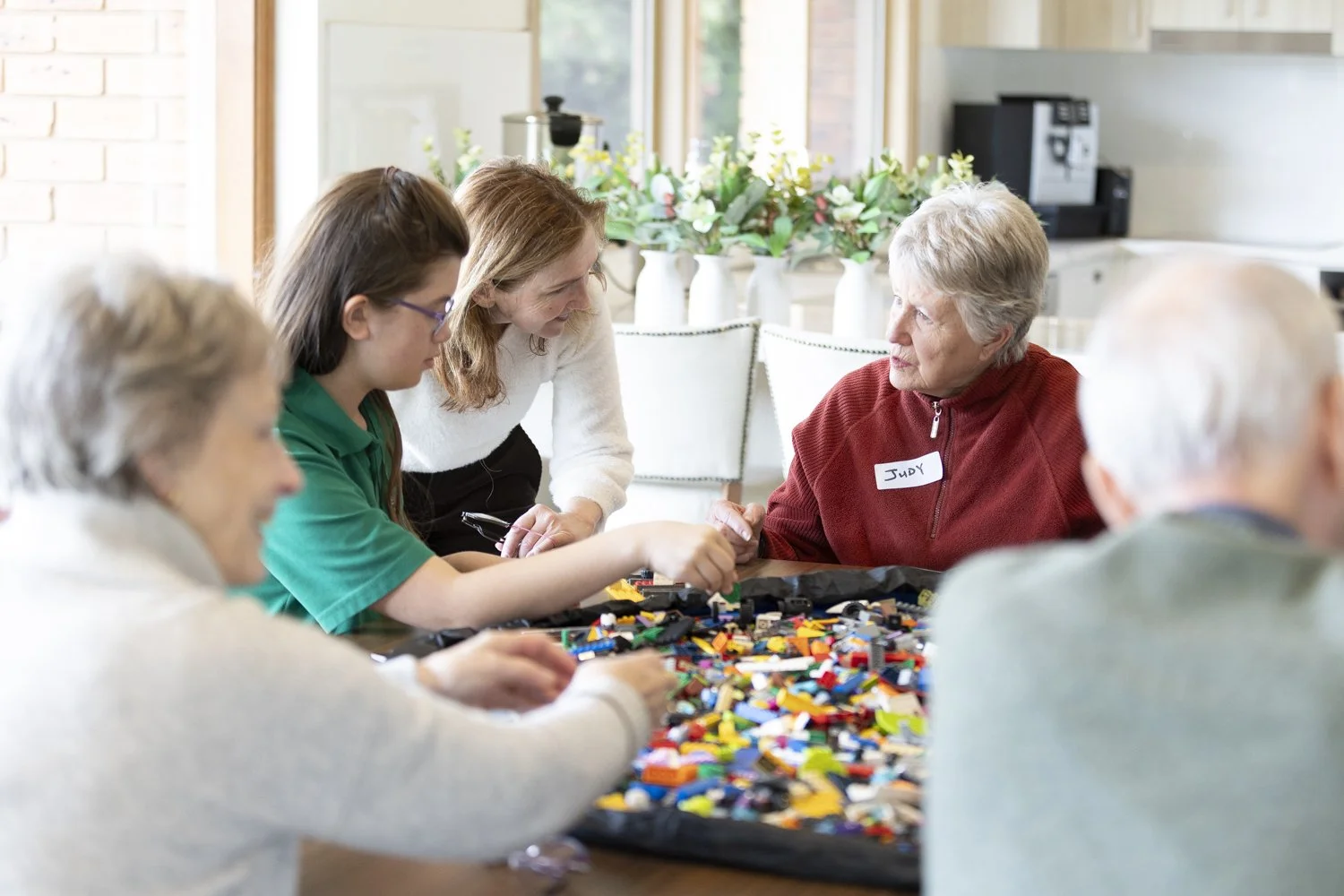
This study examined the prevalence, types, and perceived impact of intergenerational programs in schools. Programs involving senior volunteers assisting children, or children participating in activities with older people were considered. Of the schools reached, 47% reported intergenerational programming. Thirty-three schools in the Tel-Aviv region participated in the study. Data were collected from 85 seniors, 26 teachers, and 20 coordinators. Assessments included program characteristics, program preparation, and perceived benefits and difficulties. Both programs were reported to have beneficial effects for seniors and to benefit children in the academic, social, and emotional domains.
Intergenerational programs (IGPs) aim to facilitate cooperation and exchange among different age groups. While most studies highlight the benefits for each generation, the programs and study designs vary widely. We conducted a systematic review of the scientific literature between 2005 and 2015 to: (1) characterize and define the IGPs studied and (2) identify the benefits for school-age children and older people aged 60 years or over.
Intergenerational programs unite the young and old in shared activities to foster positive relationships across generations, reducing loneliness caused by living in residential care and improving children’s attitudes toward the elderly